
Gordon-Ramsay-Mayonnaise-Recipe. I know, I know, it sounds a little intimidating, right? Whipping up your own mayonnaise, especially one associated with the legendary Gordon Ramsay, might feel like a leap into the unknown for many home cooks. But hear me out: this isn’t about fancy chef hats or Michelin stars. This is about elevating your everyday meals with something so simple, so fresh, and so incredibly flavorful, you’ll wonder why you ever bought a jar. My journey into homemade mayo started after one too many bland store-bought versions ruined a perfectly good sandwich. I remember thinking, “There has to be a better way,” and naturally, I turned to the master himself. What I found was a recipe that’s surprisingly straightforward and utterly transformational. It’s a game-changer for everything from a simple chicken salad to dipping those crispy homemade fries. Trust me, if I can make it in my busy Austin kitchen with two kids running around, you absolutely can too.
Why Gordon Ramsay’s Mayonnaise Just Hits Different
Honestly, the biggest reason I fell in love with this particular mayonnaise recipe is its texture and flavor profile. It’s incredibly creamy, light, and tangy – a far cry from the sometimes-gloopy, overly vinegary store-bought stuff. Firstly, the freshness of the ingredients, especially using good quality eggs and oil, makes a huge difference. You taste the bright lemon, the subtle warmth of the mustard, and the rich egg yolk, all coming together in harmony. Secondly, it’s about control. You get to adjust the seasoning to your liking, maybe a little more lemon, a pinch of cayenne for a kick, or some fresh herbs if you’re feeling adventurous. This control means it always complements what you’re serving, rather than overpowering it. Finally, there’s the sheer satisfaction of creating something so fundamental and delicious from scratch. It builds confidence in the kitchen, showing you that even the most basic components can be spectacular.
What You’ll Need for This Mayonnaise Magic
Before we dive into the steps, let’s talk ingredients. The beauty of a gordon-ramsay-mayonnaise-recipe is its simplicity; it relies on a few high-quality staples you probably already have or can easily find. We’re talking fresh egg yolks, a good neutral-flavored oil (like grapeseed or sunflower), Dijon mustard for that essential tang and emulsification help, fresh lemon juice for brightness, and a pinch of salt and pepper. No weird additives, no preservatives, just pure, unadulterated flavor.
Tips & Tweaks from My Kitchen
Making mayonnaise can feel a bit like a science experiment, and sometimes, things don’t go as planned. I’ve had my share of broken batches, especially when I first started. Here’s what I’ve learned: first, temperature is key. Ensure your egg yolks and oil are at room temperature. This helps them emulsify much more easily. Second, slow and steady wins the race with the oil. Drip, drip, drip at the beginning. If you add it too fast, your mayonnaise will split, and nobody wants that. Think of it like a delicate dance. Third, don’t be afraid to taste and adjust. A little more lemon, a touch more salt – make it your own. If it gets too thick, a tiny splash of warm water or lemon juice can thin it out. And if it breaks, don’t despair! You can often salvage it by whisking a new egg yolk in a clean bowl and slowly adding your broken mixture back in, drop by drop, as if starting over.
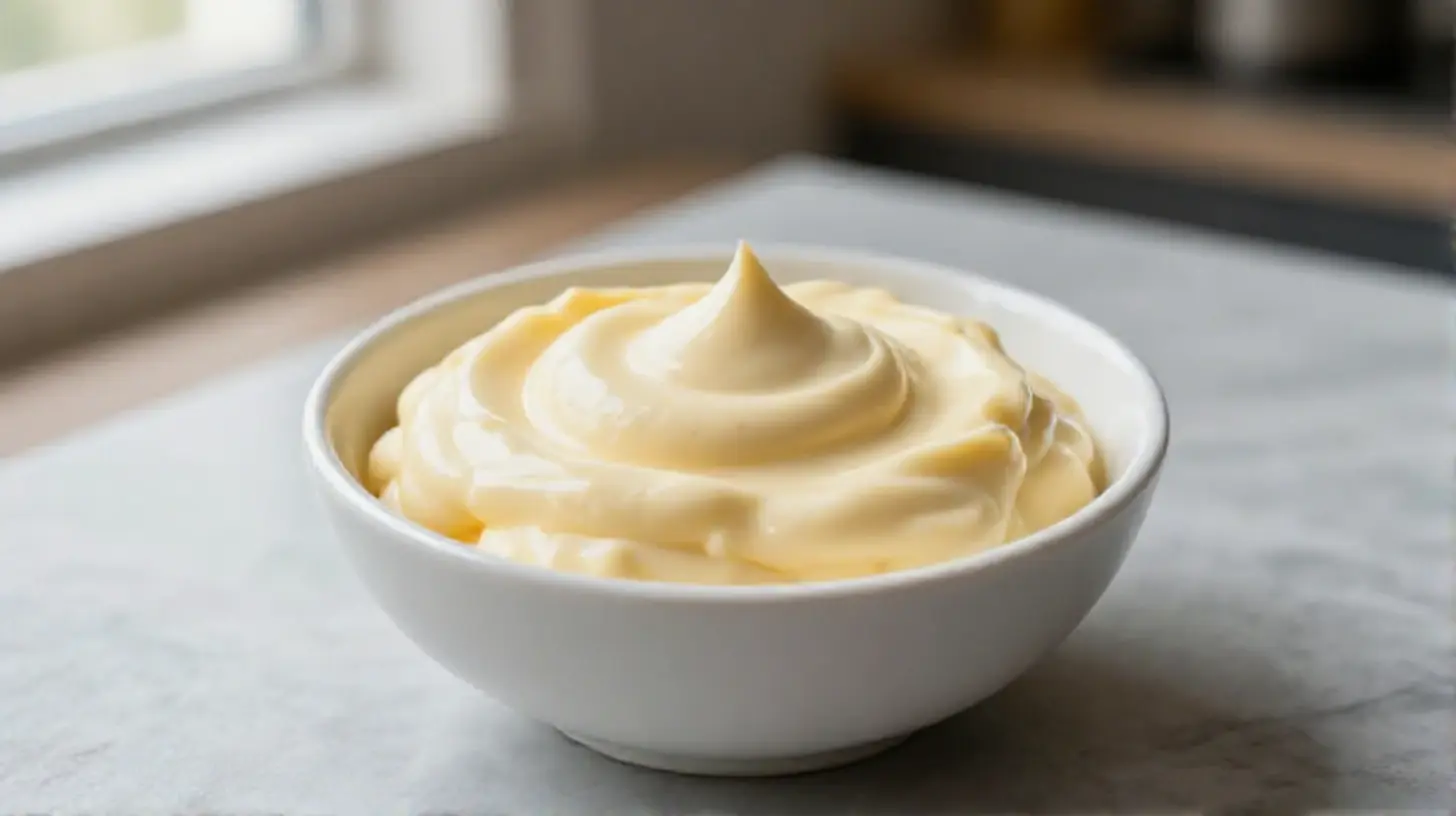
Crafting Your Own Gordon Ramsay Mayonnaise
Ready to make some mayo? Here’s my go-to process for a smooth, creamy, and flavorful batch every time.
Step 1: Prep Your Ingredients
In a medium bowl, combine two fresh egg yolks, a teaspoon of Dijon mustard, a pinch of salt, and a grind of black pepper. Ensure all ingredients are at room temperature. This is crucial for successful emulsification.
Step 2: Start Whisking
Begin whisking the egg yolk mixture vigorously until it’s pale yellow and slightly frothy. You can use a hand whisk, a stand mixer with a whisk attachment, or an immersion blender for this. Consistency is important here.
Step 3: The Slow Drip of Oil
Now for the crucial part: slowly, very slowly, start drizzling in your neutral oil. At first, add it literally drop by drop while continuously whisking. Once a stable emulsion starts to form (the mixture will begin to thicken), you can increase the stream to a very thin, steady trickle. Don’t rush this step!
Step 4: Whisk Until Thick and Creamy
Continue whisking and adding oil until all the oil is incorporated and the mayonnaise is thick, creamy, and pale yellow. It should hold its shape on a spoon. This process typically takes about 5-10 minutes, depending on your whisking method.
Step 5: Add the Lemon
Once your mayonnaise has reached the desired consistency, whisk in one to two tablespoons of fresh lemon juice. This adds brightness and helps cut through the richness of the oil. Taste and adjust with more salt, pepper, or lemon juice as needed.
Step 6: Final Adjustments
If your mayonnaise is too thick, you can add a tiny splash of warm water or more lemon juice, whisking it in until you reach your desired consistency. Your fresh, homemade gordon-ramsay-mayonnaise-recipe is now ready to enjoy!
Serving Your Freshly Made Mayonnaise
This homemade mayonnaise isn’t just for dipping. It’s incredibly versatile and elevates so many dishes. Spread it on your sandwiches or burgers, use it as a base for chicken salad, tuna salad, or egg salad. It makes an incredible aioli when you add some crushed garlic, or a vibrant tartar sauce with capers and fresh dill. I love serving it alongside roasted potatoes, steamed asparagus, or even as a creamy dressing for a simple green salad. It truly brings a touch of gourmet to the everyday, effortlessly turning good food into something unforgettable.
Inventive Mayonnaise Variations
Once you’ve mastered the basic gordon-ramsay-mayonnaise-recipe, the possibilities for customization are endless. Don’t be afraid to experiment and make it your own!
Herbed Gordon-Ramsay-Mayonnaise-Recipe
Stir in a tablespoon or two of finely chopped fresh herbs like chives, parsley, dill, or tarragon after the mayonnaise is made. This adds a beautiful fresh flavor and color, great for fish or chicken.
Spicy Gordon-Ramsay-Mayonnaise-Recipe
For a kick, whisk in a pinch of cayenne pepper, a teaspoon of sriracha, or a dash of your favorite hot sauce. Smoked paprika can also add a wonderful smoky heat. This is fantastic with grilled meats or as a dip for sweet potato fries.
Garlic Confit Gordon-Ramsay-Mayonnaise-Recipe
Mince a clove or two of roasted garlic (or garlic confit) and whisk it into your finished mayonnaise. Roasting the garlic mellows its flavor and adds a beautiful sweetness. This version is especially good with steak or as a spread for crusty bread.
Lemon and Caper Gordon-Ramsay-Mayonnaise-Recipe
A classic pairing for seafood. After making your basic mayonnaise, stir in a teaspoon of finely chopped capers and an extra squeeze of lemon juice. Perfect for pan-fried fish or crab cakes.
Common Mayonnaise Making Mistakes
Even experienced cooks can stumble when making mayonnaise from scratch. Here are a few pitfalls to watch out for and how to avoid them. The biggest one, as mentioned, is adding oil too quickly. This is the primary reason for a broken emulsion. Another common error is using cold ingredients; room temperature is essential for a stable bond between the egg yolks and oil. Also, ensure your whisking motion is consistent and vigorous, especially in the initial stages. A weak whisk can lead to a sluggish emulsification. Finally, using old or poor-quality eggs can affect both the taste and the ability of the mayonnaise to emulsify. Always opt for the freshest eggs you can find.
Storing Your Homemade Mayonnaise
Because this mayonnaise is made with fresh, raw egg yolks and no preservatives, it has a shorter shelf life than store-bought versions. Store your homemade mayonnaise in an airtight container in the refrigerator. It’s best consumed within 3-5 days. If it starts to separate slightly, a quick whisk usually brings it back together. Always use a clean spoon each time you dip into the jar to prevent contamination.
My Mayonnaise Journey Continues!
And there you have it – your very own homemade gordon-ramsay-mayonnaise-recipe! I truly hope this inspires you to give it a try. There’s nothing quite like the pride of putting something homemade on the table, especially when it tastes this good. It’s funny, the first time I nailed this recipe, my kids were convinced I’d bought some fancy gourmet mayo. When I told them I made it, their eyes just lit up. That’s the magic of cooking for me – those little moments of surprise and delight. So go on, get whisking, cook boldly, play around, and have fun in the kitchen.
Frequently Asked Questions About Homemade Mayonnaise
Why did my mayonnaise break or separate?
Mayonnaise typically breaks when the oil is added too quickly, overwhelming the egg yolk’s ability to emulsify it. It can also happen if your ingredients are too cold. Ensure egg yolks and oil are at room temperature and add the oil very slowly, especially at the beginning.
Can I use an immersion blender for this recipe?
Yes, an immersion blender is an excellent tool for making mayonnaise quickly and easily. Place all ingredients except the bulk of the oil in the bottom of a jar or tall container. Pour the oil on top. Place the immersion blender head at the bottom, turn it on, and slowly lift it as the emulsion forms.
How long does homemade mayonnaise last?
Homemade mayonnaise, due to its raw egg content and lack of preservatives, should be stored in an airtight container in the refrigerator and consumed within 3-5 days for best freshness and safety.
What kind of oil is best for mayonnaise?
A neutral-flavored oil like grapeseed, sunflower, canola, or a very light olive oil is best. Strong-flavored oils can overpower the delicate taste of the mayonnaise. Avoid extra virgin olive oil unless you specifically want a robust, peppery flavor.
Can I make mayonnaise without Dijon mustard?
While Dijon mustard aids in emulsification and adds flavor, you can make mayonnaise without it. A tiny pinch of dry mustard powder can be substituted for some flavor, or you can omit it entirely, though the emulsion might be slightly less stable.
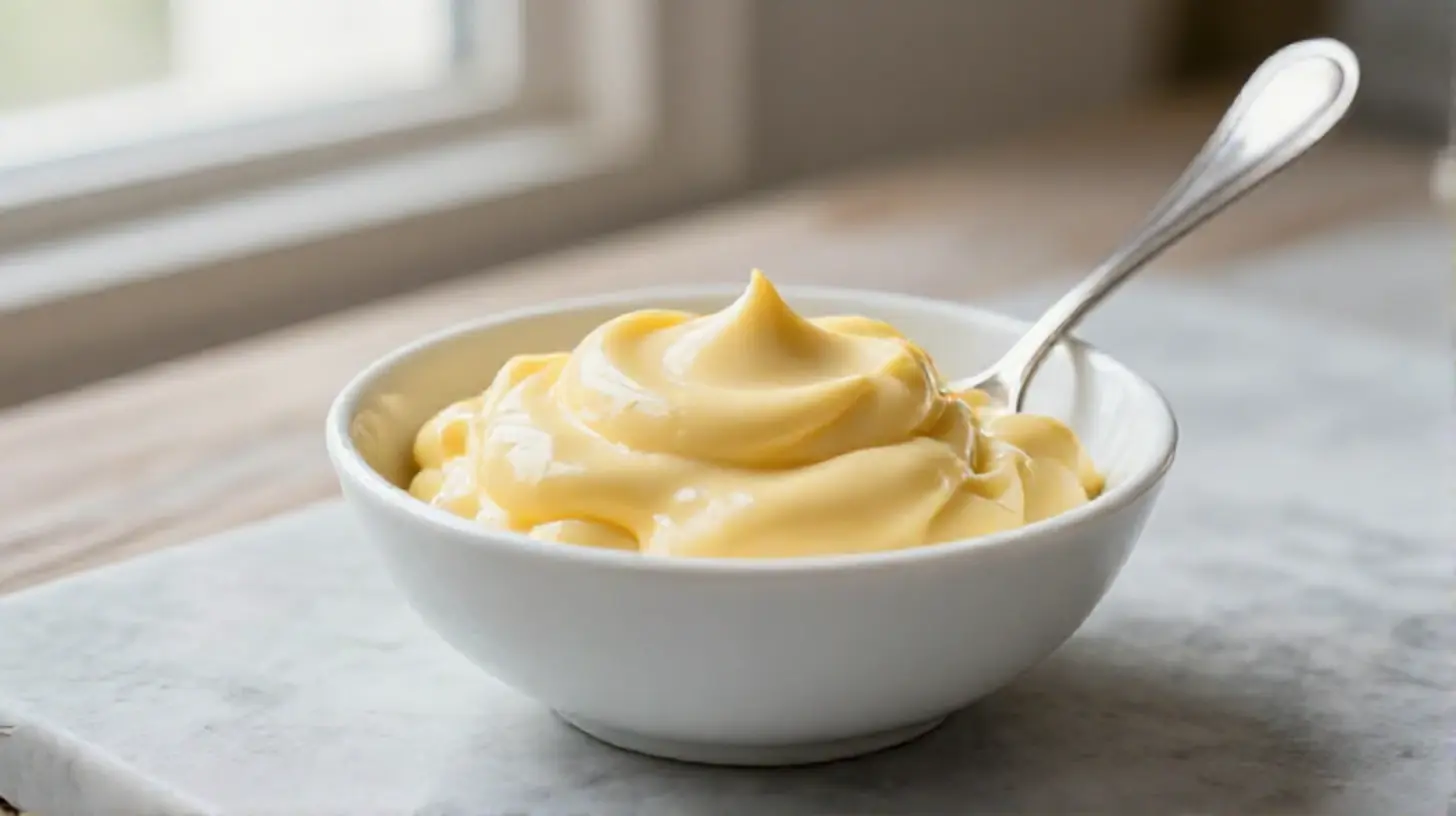
Gordon Ramsay Mayonnaise
Ingredients
Equipment
Method
- In your gordon ramsay food processor or a bowl if using an immersion blender, combine the egg yolks, Dijon mustard, and white wine vinegar (or lemon juice). Whisk or blend briefly until just combined.
- With the gordon ramsay food processor running on low speed, or while continuously whisking with an immersion blender, very slowly drizzle in the neutral oil in a thin, steady stream. This is crucial for emulsifying the mayonnaise.
- Continue adding the oil until the mixture is thick, pale, and creamy. This should take a few minutes. If it becomes too thick, you can add a tiny splash of warm water.
- Season the mayonnaise with a pinch of salt and black pepper to taste. Give it one final whisk or blend to incorporate the seasoning.
- Transfer the homemade mayonnaise to an airtight container and refrigerate immediately. It's best enjoyed fresh within 3-4 days.
Nutrition
Notes
Tried this recipe?
Let us know how it was!Expand Your Gourmet Sauce Repertoire
Beyond mayonnaise, explore how to create a classic Gordon Ramsay hollandaise sauce, an ideal accompaniment for eggs or vegetables.
For a sophisticated option to pair with grilled meats or fish, consider his well-known béarnaise sauce recipe, featuring a blend of herbs and vinegar.
Additionally, learn to prepare Gordon Ramsay’s tartar sauce, a versatile condiment that enhances various seafood dishes.
Say Goodbye to Bland: Gordon Ramsay’s Mayonnaise Recipe for a Velvety, Zesty Upgrade
Honestly, I’ve had this Gordon Ramsay mayonnaise recipe on repeat since I first tried it, and it absolutely changes the game for even a simple sandwich. Now I’m curious: what’s the first thing you’re going to slather this velvety goodness on? Or did you sneak in a little extra something, a tiny personal flourish, to make this creamy wonder your own? Share your kitchen triumphs and questions in the comments below – I’m always buzzing to see how you adapt these culinary adventures!