
Gordon Ramsay Chicken Stock Recipe has been a game-changer in my kitchen here in Austin, and let me tell you why it should be in yours too. Hi there, fellow food adventurers! Dylan Hayes here, from gordonramsayfood.com. You know that feeling when you’re making a dish, and it’s good, but it’s just missing… something? That deep, soulful flavor that ties everything together? For me, more often than not, the answer has been a truly exceptional chicken stock. And when you think exceptional, who else comes to mind but Gordon Ramsay? I’ve been a huge fan for years, learning to master everything from Beef Wellington (yes, I overcooked it the first three times, it happens!) to a simple scramble, and his approach to staples like stock is just genius – accessible, flavorful, and incredibly rewarding.
Why Gordon Ramsay’s Chicken Stock is a Game Changer
You might be thinking, “Chicken stock? Really, Dylan?” And my answer is a resounding YES! This isn’t just about cooking; it’s about elevating your cooking. First off, the depth of flavor you get from a homemade Gordon Ramsay chicken stock is miles beyond anything you’ll buy in a carton. It transforms humble soups, risottos, sauces, and gravies into something truly restaurant-worthy. Secondly, it’s a fantastic way to utilize ingredients that might otherwise go to waste, like chicken carcasses and veggie scraps. Think about the rich, gelatinous texture you get from slow-simmering bones – that’s pure magic that adds body and mouthfeel to anything you use it in. Finally, and this is a big one for my family-friendly cooking, having a batch of this “liquid gold” ready in the freezer means quick, healthy, and unbelievably tasty meals are always within reach. It’s a foundational skill that pays dividends in every dish.
Getting Your Ingredients Ready
Making a good stock doesn’t require a chef’s pantry, just good, honest ingredients. We’re talking about humble root vegetables, fresh herbs, and, of course, quality chicken bones. Don’t be shy about asking your local butcher for chicken carcasses or backs – they often sell them for next to nothing, or even give them away! The fresher and higher quality your components, the more vibrant and flavorful your final stock will be. Think of it as building a flavor base, and every ingredient plays its part in creating that rich, savory foundation.
Dylan’s Top Tips for Your Chicken Stock
Over the years, making countless batches of stock, I’ve picked up a few pointers that really make a difference. First, roasting your chicken bones beforehand is a non-negotiable step for me. It adds incredible depth and a beautiful golden color that you just won’t get from raw bones. Secondly, don’t boil your stock vigorously. A gentle simmer is key to coaxing out all those wonderful flavors and nutrients without making it cloudy or fatty. Thirdly, skim, skim, skim! Regularly remove any foam or impurities that rise to the surface during the first hour or so of simmering. This ensures a clear, clean-tasting stock. Finally, resist the urge to over-reduce it too early. You want a robust flavor, but also enough volume for your culinary needs. Trust your nose and your taste buds!
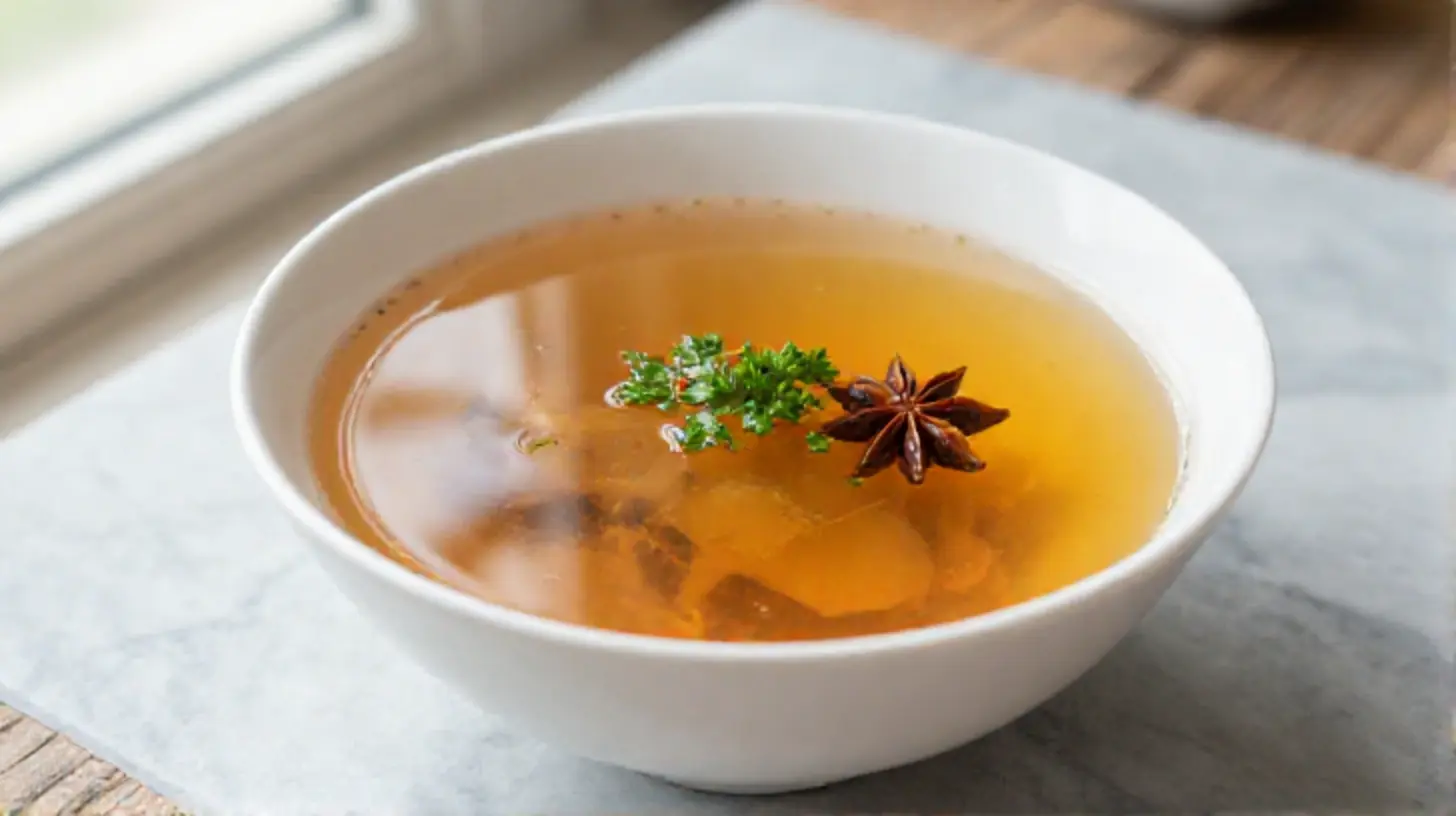
Step-by-Step: Making Gordon Ramsay’s Chicken Stock
This might seem like a long process, but most of it is hands-off simmering. You got this!
Step 1 : Prepare Your Bones and Veggies
Preheat your oven to 400°F (200°C). Arrange your chicken carcasses, backs, or wings on a baking sheet. Toss them with a drizzle of olive oil. Chop your carrots, celery, and onions into rough 1-2 inch pieces – no need for perfection here, they’re just for flavor. Add them to the baking sheet with the chicken.
Step 2 : Roast for Flavor
Roast the chicken and vegetables for 30-40 minutes, or until deeply golden brown. This step is crucial for developing that rich, complex flavor in your Gordon Ramsay chicken stock recipe. You want good caramelization, but not burnt.
Step 3 : Transfer and Deglaze
Once roasted, transfer the chicken and vegetables to a large stock pot or Dutch oven. Pour off any excess fat from the baking sheet. Add a splash of water or white wine to the baking sheet and scrape up all those delicious browned bits – that’s called deglazing, and it’s pure flavor! Pour this liquid into your stock pot.
Step 4 : Add Water and Aromatics
Cover the chicken and vegetables with cold water, ensuring everything is submerged by at least an inch or two. Add your bay leaves, peppercorns, and fresh parsley stems (if using). Bring it to a gentle simmer over medium-high heat.
Step 5 : Simmer and Skim
Once simmering, reduce the heat to low, so it’s just barely bubbling. Skim off any foam or impurities that rise to the surface using a ladle or fine-mesh sieve, especially during the first hour. Let it simmer gently for at least 3-4 hours, or up to 6 hours, uncovered. The longer it simmers, the more flavor and gelatin it will develop.
Step 6 : Strain and Cool
Once the stock has simmered to your liking, carefully strain it through a fine-mesh sieve into a clean bowl or container. You can line the sieve with cheesecloth for an even clearer stock if desired. Discard the solids. Let the stock cool completely at room temperature before refrigerating or freezing.
How to Use Your Liquid Gold
Once you’ve made a batch of this delicious Gordon Ramsay chicken stock, you’ll find endless uses for it. It’s the base for comforting chicken noodle soup, a silky mushroom risotto, or a rich gravy for your Sunday roast. Use it to braise vegetables, cook grains like quinoa or couscous, or even just warm it up with a pinch of salt and pepper for a comforting, nourishing broth. It truly elevates everything it touches, making your everyday meals feel a little more special.
Creative Variations on Your Gordon Ramsay Chicken Stock
Don’t be afraid to play around with this recipe! It’s a fantastic foundation, but you can always tweak it to your taste or for specific dishes.
Spicy Gordon Ramsay Chicken Stock
If you like a little kick, try adding a few dried chilies, a whole jalapeño (pierced), or a teaspoon of black peppercorns to the pot during simmering. The subtle heat will infuse the stock, making it perfect for Asian-inspired dishes or a hearty chili. This version of Gordon Ramsay chicken stock is fantastic for pho.
Aromatic Herb Gordon Ramsay Chicken Stock
Beyond parsley, experiment with other herbs. A sprig of fresh thyme or rosemary can add a wonderful woody note. For a more Mediterranean feel, try adding a few sprigs of oregano. Just be mindful not to overdo it, as some herbs can become bitter if simmered for too long.
Roasting Bones for a Deeper Gordon Ramsay Chicken Stock
While I recommend roasting, you can take it a step further. Before roasting, rub the chicken bones with a little tomato paste for extra umami depth and a richer color. This works wonders for a darker stock that’s excellent for beef or game dishes, even if it’s chicken-based.
Avoid These Common Chicken Stock Blunders
We’ve all been there – a culinary misstep! Here are a few common mistakes to avoid when making your stock:
- Boiling too aggressively: This emulsifies the fat and proteins, leading to a cloudy, greasy stock. Keep it at a gentle simmer.
- Not skimming: Those impurities need to go! They can make your stock taste off and look unappetizing.
- Adding salt too early: Stock reduces, concentrating flavors. If you salt at the beginning, it might become too salty to use effectively in your final dish. Season at the end or when using the stock.
- Using too many leafy greens: While some parsley stems are good, too many leafy vegetables can make your stock bitter or give it an odd color. Stick to aromatics like carrots, celery, and onions.
- Simmering for too long with vegetables: While bones can simmer for hours, vegetables can start to break down and make the stock cloudy or impart an overcooked flavor if left in for the entire duration. Some chefs remove them after 2-3 hours.
Storing Your Homemade Chicken Stock
Once your Gordon Ramsay chicken stock is cooled, it’s ready for storage. You can keep it in an airtight container in the refrigerator for up to 4-5 days. For longer storage, freeze it! Ice cube trays are fantastic for small portions, or you can use freezer-safe bags or containers. Label them with the date, and your stock will be good in the freezer for up to 3-4 months. It’s such a relief to pull out a bag of homemade stock on a busy weeknight.
Your Kitchen’s New Secret Weapon
See? Making a really good Gordon Ramsay chicken stock recipe isn’t intimidating at all, is it? It’s a simple process, but the payoff is immense. This stock isn’t just an ingredient; it’s an investment in every meal you create. It’s about building foundational flavors, understanding how ingredients work together, and ultimately, cooking with confidence. I remember the first time I made a truly gelatinous, golden stock, and used it for a simple risotto – the depth of flavor was incredible. My wife even asked if I’d eaten out! That feeling of accomplishment, of knowing you created something so fundamental and delicious from scratch, is what makes cooking so rewarding. So, go on, roll up those sleeves, and let’s get simmering!
Your Gordon Ramsay Chicken Stock Questions, Answered!
Can I use leftover roast chicken bones for this recipe?
Absolutely! Leftover roast chicken bones are fantastic for making stock. They often come with some meat still attached, which adds even more flavor. Just make sure to remove any skin if you want a less fatty stock, as roasted skin can sometimes impart a slightly bitter taste if left in for too long.
How long does homemade chicken stock last in the refrigerator?
Properly stored in an airtight container, homemade chicken stock will last for about 4 to 5 days in the refrigerator. Always give it a sniff before using; if it smells sour or off, it’s best to discard it.
Can I freeze chicken stock? What’s the best way?
Yes, freezing is the best way to preserve your stock for longer periods. You can freeze it in small portions (like ice cube trays) for quick additions to sauces, or in larger freezer-safe bags or containers for soups and stews. Lay freezer bags flat to save space, and remember to leave some headspace in containers for expansion. It will last 3-4 months, or even longer, in the freezer.
What if my chicken stock is too salty?
If your stock ends up too salty (which shouldn’t happen if you don’t add salt until the end), you can sometimes dilute it with unsalted water or use it in a dish that requires a lot of liquid and can absorb the extra salt, like a risotto where you control the added seasoning.
What’s the difference between chicken stock and chicken broth?
Generally, stock is made primarily from bones, which contribute gelatin, resulting in a richer body and mouthfeel. Broth is typically made from meat and vegetables and is simmered for a shorter time, resulting in a lighter flavor and texture. This Gordon Ramsay chicken stock recipe focuses on getting that deep, gelatinous goodness from the bones.
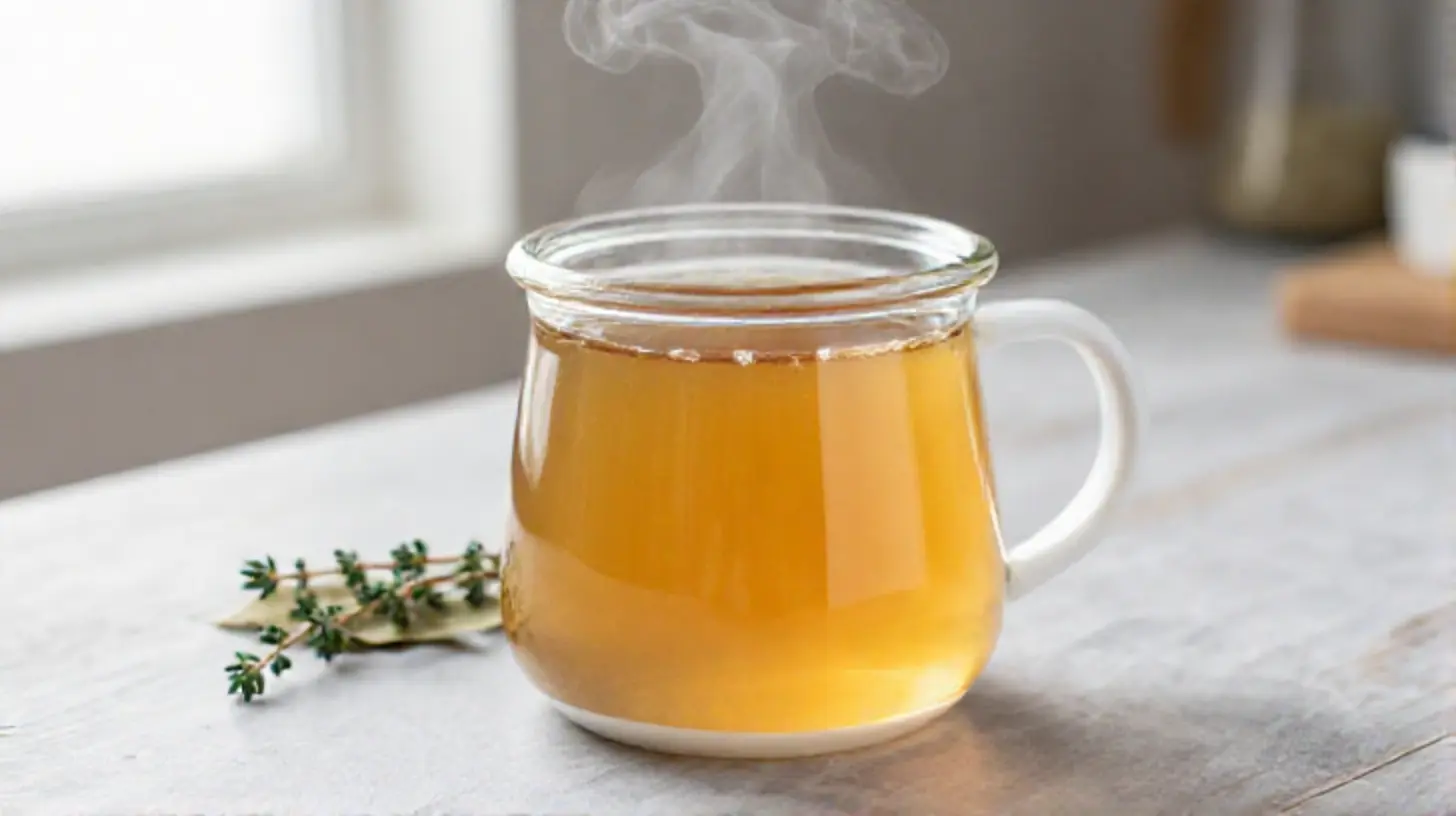
Gordon Ramsay Chicken Stock
Ingredients
Equipment
Method
- Preheat your oven to 200°C (400°F). Arrange the chicken bones in a single layer on a baking tray. Roast for 20-25 minutes, or until deeply golden brown. This step is crucial for depth of flavour and colour.
- Remove the bones from the oven and set aside. In the same baking tray, add the roughly chopped carrots, celery, onion, and smashed garlic. Return to the oven for another 10-15 minutes, allowing them to soften and slightly caramelize.
- Transfer the roasted bones and vegetables to a large stockpot. Deglaze the baking tray with a splash of water or a little white wine, scraping up any delicious browned bits, and add this liquid to the stockpot.
- Add the bay leaves, black peppercorns, and parsley stems to the stockpot. Pour in the 4 litres of cold water, ensuring everything is fully submerged. It's important to use cold water as it slowly brings out impurities, which you can skim off.
- Bring the stock to a very gentle simmer over medium heat. Once simmering, reduce the heat to low, cover partially, and let it cook for at least 3 hours, or up to 6 hours. Skim off any foam or impurities that rise to the surface periodically.
- After simmering, carefully strain the stock through a fine-mesh sieve lined with cheesecloth into a clean bowl or container. Discard the solids. Let the stock cool completely before transferring it to airtight containers.
Nutrition
Notes
Tried this recipe?
Let us know how it was!Elevating Your Culinary Creations
A well-prepared chicken stock serves as a versatile base for numerous dishes, from foundational sauces to complete meals. You can transform it into a deeply flavorful chicken broth, enhancing its immediate use.
The richness derived from quality stock also significantly contributes to dishes requiring a substantial liquid component, such as a comforting classic chicken noodle soup. Additionally, it provides essential depth for achieving the perfect consistency in recipes like a creamy asparagus risotto.
Unlocking the Soul of Every Dish with Gordon Ramsay’s Chicken Stock Recipe
There’s nothing quite like the subtle hum of a simmering pot on a quiet afternoon, filling your kitchen with an aroma that promises culinary greatness. Mastering that Gordon Ramsay chicken stock recipe isn’t just about following steps; it’s about laying the foundation for countless unforgettable meals – from the richest risottos to the most comforting soups. I’d love to hear how it transformed your latest dish! Share your stock stories or even a photo of your golden elixir in the comments below. Let’s swap notes on this kitchen essential!