
Gordon-ramsay-chicken-unagi-recipe – now, that might sound a little intimidating or like something you’d only find in a high-end restaurant, right? Trust me, I get it. For a long time, I thought anything involving “unagi” had to be super complex, requiring years of culinary training. But here’s the beautiful truth about Gordon Ramsay’s approach, even when he gets a little adventurous with flavors: it’s often rooted in simplicity and bold taste. And folks, this particular dish is a prime example of how you can bring those restaurant-worthy flavors right into your home kitchen, without needing fancy tools or a cooking school diploma. It’s about combining familiar ingredients with an unexpected twist to create something truly special for your family. I’ve tweaked and experimented with this concept over countless evenings here in my Austin kitchen, and I’m thrilled to share what I’ve learned.
Why I Love Gordon Ramsay’s Approach to Unagi Chicken
I’m a huge Gordon Ramsay fan, not just for the TV theatrics, but for the fundamental cooking principles he champions. This particular unagi chicken concept really clicked with me for a few key reasons. First, the incredible depth of flavor it brings to humble chicken. We’re talking about a glaze that transforms an everyday protein into something incredibly savory, slightly sweet, and utterly addictive. Second, it’s a fantastic way to introduce new, exciting flavors to the dinner table without scaring off the kids. My son, who can be picky, absolutely devours this. And honestly, it’s far less time-consuming than you might think. A good marinade and a quick cook, and you’ve got an unforgettable, bold, and delicious meal. It’s simple elegance, Ramsay style, that anyone can pull off.
Getting Your Ingredients Ready
Alright, let’s talk ingredients! The beauty of this dish is that while it sounds exotic, many of the components are likely already in your pantry, or easily found at your local grocery store. We’re aiming for quality, of course, but don’t feel like you need to break the bank. Just think fresh and vibrant. You’ll want to focus on good quality chicken, ideally boneless, skinless thighs for maximum flavor and tenderness, and then the star: a solid unagi sauce or its components.
Tips & Tweaks for Success
Over the years, cooking in my own “real home kitchen” – not a Michelin-starred one – I’ve picked up a few pointers that make all the difference with this dish. First, don’t rush the marinating process. That’s where the magic happens, allowing the chicken to soak up all those incredible flavors. Even 30 minutes helps, but an hour or two, or even overnight, will reward you immensely. Second, make sure your pan is properly heated before adding the chicken. You want a good sear to lock in moisture and create that beautiful caramelized crust. Don’t overcrowd the pan; cook in batches if you need to, to ensure each piece gets proper attention. Finally, taste as you go with the glaze. Adjust the sweetness or savoriness to your family’s preference. It’s your kitchen, play around!
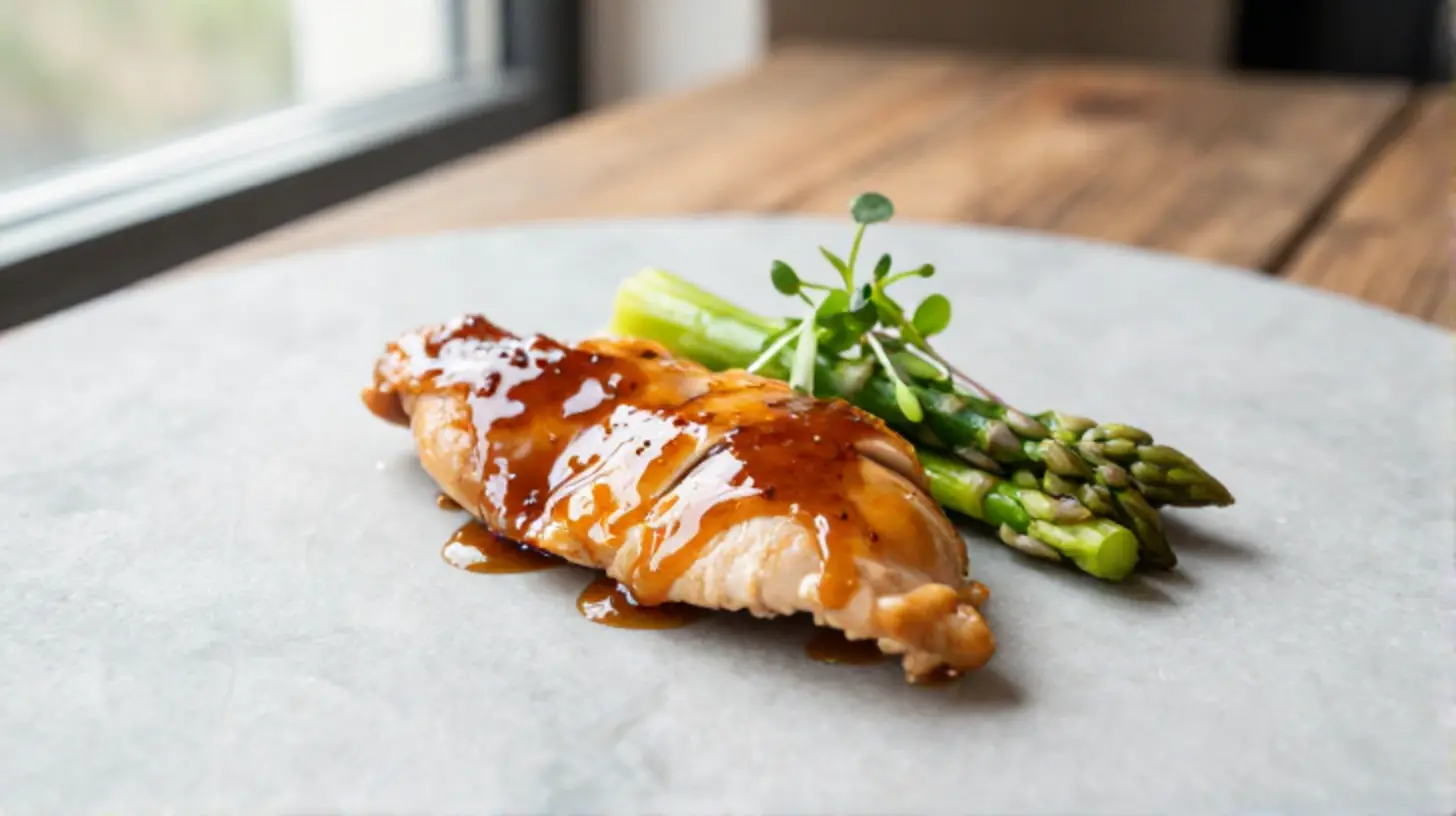
Crafting Your Unagi Chicken
Ready to dive in? Here’s how we bring this fantastic dish to life.
Step 1 : Prepare the Chicken
Pat your chicken thighs dry with paper towels. This is a crucial step for getting a good sear. Cut them into bite-sized pieces or leave them whole, depending on your preference.
Step 2 : Mix the Marinade
In a bowl, combine your unagi sauce (or its components like soy sauce, mirin, sake, and sugar), a touch of grated ginger, minced garlic, and a splash of sesame oil. Whisk it all together until well combined.
Step 3 : Marinate the Chicken
Add the chicken to the marinade, ensuring every piece is coated. Cover the bowl and refrigerate for at least 30 minutes, or up to 4 hours for deeper flavor.
Step 4 : Cook the Chicken
Heat a little oil in a large skillet or wok over medium-high heat. Once shimmering, add the marinated chicken pieces in a single layer, making sure not to overcrowd the pan. Cook for 3-4 minutes per side, until beautifully browned and cooked through.
Step 5 : Finish with Glaze
If you have any leftover marinade, you can reduce it slightly in a separate small saucepan to create an extra glaze, or simply rely on the flavor already absorbed by the chicken. Drizzle any extra glaze over the cooked chicken right before serving.
Step 6 : Serve Immediately
Garnish with sesame seeds and chopped green onions. Serve hot with your favorite accompaniments.
Serving & Occasions
This unagi chicken is incredibly versatile. It makes for a fantastic weeknight meal when you want something a bit special but without the fuss. I love serving it over a bed of fluffy steamed jasmine rice, with a side of quickly stir-fried greens like bok choy or broccoli. It’s also brilliant packed into lunchboxes the next day. If you’re having friends over, you can easily scale up the recipe, and it feels much more impressive than the effort it actually takes. Think of it as your secret weapon for those moments when you want to impress without stressing.
Variations to Experiment With
Cooking is all about experimenting and making a dish your own. Don’t be afraid to play around with this gordon-ramsay-chicken-unagi-recipe to suit your taste or what you have on hand.
Spicy Gordon-Ramsay-Chicken-Unagi-Recipe
For those who like a bit of a kick, add a teaspoon of sriracha or a pinch of red pepper flakes to your marinade. You could even finish with a drizzle of chili oil.
Veggie-Loaded Gordon-Ramsay-Chicken-Unagi-Recipe
Turn this into a full stir-fry by adding sliced bell peppers, snap peas, carrots, or mushrooms to the pan during the last few minutes of cooking.
Grilled Gordon-Ramsay-Chicken-Unagi-Recipe
Instead of pan-frying, thread your marinated chicken onto skewers and grill them. The smoky char from the grill adds another incredible layer of flavor. Just keep an eye on them to prevent burning due to the sugar in the glaze.
Pineapple Unagi Chicken
Add small chunks of fresh pineapple to your marinade or toss them in the pan during the last few minutes of cooking. The sweetness and acidity of the pineapple pair wonderfully with the savory unagi flavors.
Common Mistakes to Avoid
We all make mistakes in the kitchen – yes, it happens! I’ve certainly had my share of kitchen mishaps (remember that time I overcooked a Beef Wellington? We don’t talk about it). Here are a few common pitfalls to steer clear of with this chicken unagi recipe:
- Overcrowding the Pan: This is a big one. If you put too much chicken in the pan at once, it steams instead of searing, and you won’t get that beautiful golden-brown crust. Work in batches.
- Not Drying the Chicken: Moisture is the enemy of a good sear. Always pat your chicken dry before marinating and cooking.
- Rushing the Marinade: While a quick soak is better than none, giving the chicken ample time in the marinade allows the flavors to truly penetrate and tenderize the meat.
- Overcooking the Chicken: Chicken thighs are more forgiving than breasts, but you still want them juicy. Cook until just done – typically 165°F (74°C) internal temperature.
- Using a Cold Pan: Always preheat your pan. Adding chicken to a cold pan results in uneven cooking and sticking.
Storing Leftovers
If you happen to have any leftovers (which is a big “if” in my house!), they store beautifully. Simply transfer the cooked gordon-ramsay-chicken-unagi-recipe to an airtight container and refrigerate for up to 3-4 days. It’s fantastic reheated gently in a microwave or a skillet, and as mentioned, it makes for a killer lunch the next day. I sometimes make a double batch just so I have extra for quick meals later in the week.
A Taste of Something Special
There you have it, folks! This gordon-ramsay-chicken-unagi-recipe is a testament to the idea that fantastic, bold flavors don’t have to be complicated. It’s about taking quality ingredients and treating them with a bit of thought and love. The first time I truly nailed this, seeing my family’s faces light up, I knew it was a keeper. That’s the joy of cooking for me – creating those moments around the dinner table. So, go on, be brave in your kitchen. Cook boldly, play around, and have fun in the kitchen. You’ve got this!
FAQs About Unagi Chicken
Is unagi sauce made from eel?
Yes, traditional unagi sauce, also known as kabayaki sauce, is typically made to accompany grilled freshwater eel (unagi). However, the sauce itself does not contain eel meat; it’s a sweet and savory glaze made from soy sauce, mirin, sake, and sugar, which can be used on many other proteins like chicken, pork, or tofu.
Can I make unagi sauce from scratch?
Absolutely! You can easily make your own unagi-style glaze by combining equal parts soy sauce, mirin, and sake, along with a tablespoon or two of sugar (or honey/maple syrup for a natural sweetener). Simmer it gently until it thickens slightly. This allows you to control the sweetness and consistency.
What kind of chicken is best for this recipe?
Boneless, skinless chicken thighs are highly recommended for this unagi chicken recipe because they stay juicy and tender, even if slightly overcooked. Chicken breasts can also be used, but be careful not to overcook them as they can dry out more easily.
Can this dish be made ahead of time?
You can definitely prep components of this dish ahead of time. The chicken can be marinated overnight in the refrigerator, which will deepen its flavor. The cooking itself is quite quick, so it’s best to cook it fresh right before serving for optimal texture and taste.
Is this recipe gluten-free?
To make this recipe gluten-free, you will need to ensure that your soy sauce is a gluten-free tamari. Most other ingredients like mirin, sake, and spices are typically gluten-free, but always check labels for hidden gluten.
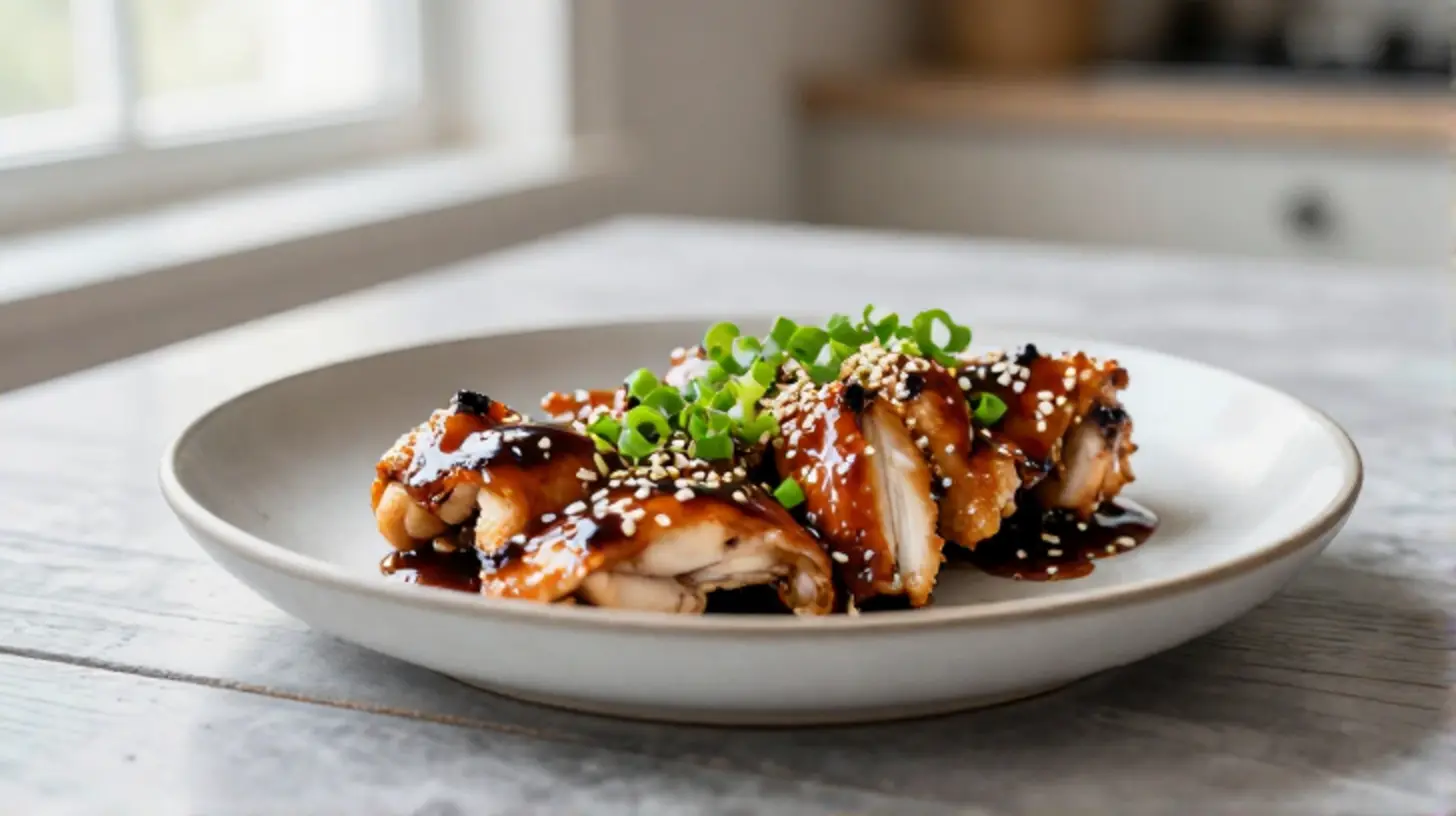
Gordon Ramsay Chicken Unagi
Ingredients
Equipment
Method
- In a medium bowl, toss the diced chicken thighs with vegetable oil, salt, and black pepper until evenly coated.
- For the Unagi-style sauce, combine soy sauce, mirin, granulated sugar, rice vinegar, grated ginger, and minced garlic in a small saucepan. Bring to a gentle simmer over medium heat, stirring until the sugar dissolves.
- In a small cup, whisk together the cornstarch and 2 tablespoons of water to create a slurry. Slowly pour the slurry into the simmering sauce, whisking continuously until the sauce thickens to your desired consistency. Remove from heat.
- Preheat your gordon ramsay food to 200°C (400°F) for 5 minutes.
- Arrange the seasoned chicken in a single layer in the gordon ramsay food basket, ensuring not to overcrowd it. You may need to cook in batches.
- Air fry for 15-20 minutes, shaking the basket halfway through, until the chicken is golden brown, crispy, and cooked through (internal temperature reaches 74°C or 165°F).
- Once cooked, transfer the crispy chicken to a large bowl. Pour about half of the prepared Unagi-style sauce over the chicken and toss gently to coat.
- Serve the chicken immediately over fluffy cooked rice, drizzled with the remaining Unagi-style sauce. Garnish generously with sliced green onions and sesame seeds.
Nutrition
Notes
Tried this recipe?
Let us know how it was!Explore More Gordon Ramsay Chicken Creations
For another popular Asian-inspired dish, consider a Gordon Ramsay chicken teriyaki recipe, which offers a different balance of sweet and savory notes.
Alternatively, if you enjoy a tangy sweetness, the Gordon Ramsay sticky lemon chicken provides a bright, citrus-infused alternative for your dinner table.
Another option for a grilled chicken experience is a Gordon Ramsay chicken yakitori recipe, known for its small, skewered preparations and savory glaze.
The Sticky-Sweet Revelation Hiding in Gordon Ramsay Chicken Unagi
Remember that Tuesday evening when I just felt utterly uninspired in the kitchen? Then I pulled out this Gordon Ramsay Chicken Unagi recipe, and suddenly, the house was filled with the most incredible aroma. Seriously, the way that sweet, savory glaze transforms simple chicken… it’s pure magic. I’d absolutely love to hear if this gordon-ramsay-chicken-unagi-recipe brought the same spark to your dinner table. Did you find a secret ingredient that made your unagi sauce sing even louder, or perhaps perfected the crispiness of the chicken skin? Drop your thoughts and photos in the comments below – let’s swap notes and celebrate these delicious moments together!