
Gordon-Ramsay-Focaccia-Bread has become a bit of a legend in my kitchen, folks. You know that feeling when you try a recipe from a culinary icon and it just clicks? That’s exactly what happened the first time I attempted Gordon’s focaccia. I’m Dylan, from gordonramsayfood.com, and if you’ve been following along, you know I’m a huge Gordon Ramsay fan, but more importantly, a fan of making his sophisticated dishes accessible for us home cooks here in Austin. For a long time, bread-making felt like a mythical art, something best left to the pros. Yeast, proofing, kneading – it all sounded like a science experiment gone wrong in my hands. I’ve had my share of kitchen mishaps, believe me (don’t ask about the Beef Wellington incident of 2021). But Gordon’s approach to focaccia is nothing short of brilliant: simple, robust, and utterly delicious. It transforms a basic dough into a stunning, golden, dimpled masterpiece perfect for dipping, sandwiching, or just tearing apart straight from the oven. If you’ve ever been intimidated by baking, this is where you start. Trust me, if I can make it, you absolutely can too.
Why Gordon-Ramsay-Focaccia-Bread Became My Kitchen Obsession
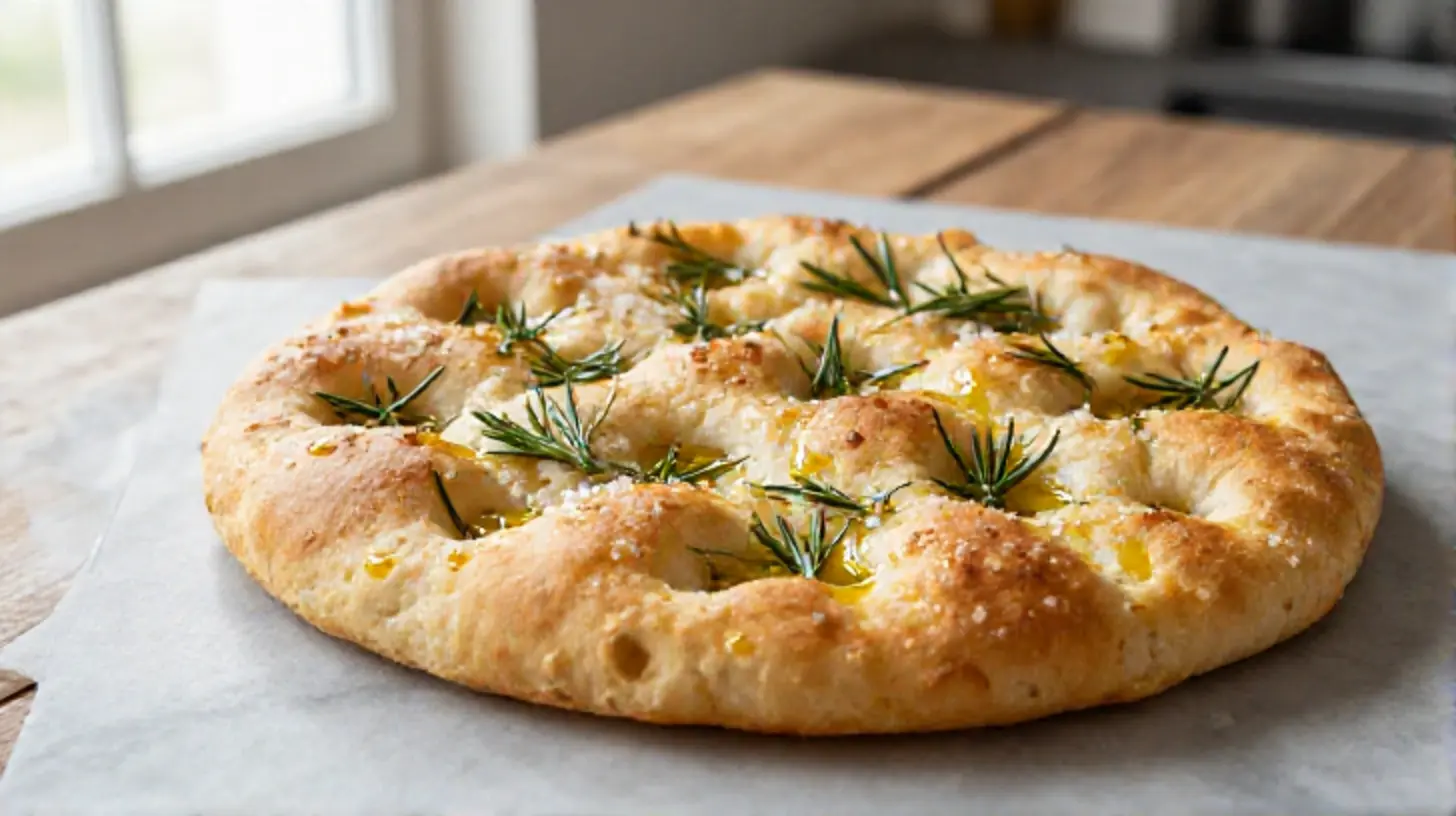
What makes this focaccia so special for me, beyond the fact it’s a Ramsay recipe, is its sheer versatility and the incredible texture. First, it’s a fantastic way to impress without spending all day slaving over a hot stove. Gordon’s method streamlines the process, focusing on key techniques that maximize flavor and texture without overcomplicating things. Second, that texture! It’s got a crispy, golden crust on the outside, thanks to a generous drizzle of olive oil, and an incredibly soft, airy, and chewy interior. It’s the kind of bread that makes you close your eyes and savor every bite. And finally, it’s a family favorite. My kids, usually picky eaters, devour this focaccia. It’s perfect with soup, alongside a pasta dish, or even just as a snack dipped in good quality olive oil and balsamic vinegar. It’s truly an all-rounder that brings everyone to the table.
Ingredients for Your Focaccia Adventure
Alright, before we dive into the fun part, let’s talk about what you’ll need. You don’t need fancy tools or a cooking school diploma, just good quality ingredients. Think of this as your starting line for a flavorful journey.
Dylan’s Tips & Tweaks for Focaccia Success
I’ve made this focaccia more times than I can count, and along the way, I’ve picked up a few little tricks to ensure it comes out perfectly every time. First off, don’t skimp on the olive oil. Gordon always emphasizes quality ingredients, and a good extra virgin olive oil not only prevents sticking but also imparts a rich, fruity flavor to the crust. Be generous when drizzling it over the dough before baking; it’s what gives focaccia its signature crispiness. Second, when you’re dimpling the dough, don’t be shy! Really press your fingers down to create those wonderful little craters that will hold pools of oil and seasonings. It helps distribute the flavors and gives the bread its iconic look. Lastly, patience is key during the proofing stages. Don’t rush it. Let the yeast do its magic; a slow rise results in a much more flavorful and airy bread. My kitchen in Austin can get warm, which helps with proofing, but if yours is cooler, just give it a little more time.
Let’s Bake: Gordon-Ramsay-Focaccia-Bread Instructions
Ready to get your hands a little doughy? Here’s how we bring this beautiful bread to life in your home kitchen.
Step 1 : Activate the Yeast
In a large bowl, combine warm water, sugar, and yeast. Give it a gentle stir and let it sit for about 5-10 minutes until it becomes frothy. This tells you your yeast is alive and ready to work its magic.
Step 2 : Mix the Dough
Add the flour, salt, and a good glug of olive oil to the yeast mixture. Mix everything together with a wooden spoon or your hands until a shaggy dough forms. It won’t be smooth yet, and that’s perfectly fine.
Step 3 : First Rise (Proofing)
Cover the bowl with plastic wrap or a clean kitchen towel and let it rise in a warm spot for about 1 to 1.5 hours, or until it has doubled in size. This is where the flavor truly develops.
Step 4 : Transfer and Dimple
Gently transfer the risen dough to a lightly oiled baking sheet (I prefer parchment paper for easy cleanup). Gently stretch it out to fill the pan. Drizzle generously with more olive oil, then use your fingertips to create deep dimples across the entire surface of the dough.
Step 5 : Second Rise
Sprinkle with sea salt and any herbs you like (rosemary is my favorite). Cover it again and let it rise for another 30-45 minutes. You’ll see it puff up even more.
Step 6 : Bake to Golden Perfection
Preheat your oven to 400°F (200°C). Bake the focaccia for 20-25 minutes, or until it’s beautifully golden brown on top and sounds hollow when tapped on the bottom.
Step 7 : Cool and Serve
Once out of the oven, transfer the focaccia to a wire rack to cool slightly. Drizzle with a tiny bit more olive oil if you wish, then slice and serve warm.
Serving Up Your Delicious Focaccia
This focaccia is incredibly versatile. It’s amazing as a side with almost any Italian meal – think pasta, lasagna, or a hearty minestrone soup. I love serving it warm with a small bowl of high-quality olive oil for dipping. For a quick lunch, split a slice horizontally and fill it with some roasted chicken, fresh mozzarella, tomatoes, and basil for a sensational sandwich. It’s also fantastic on a charcuterie board, providing a rustic and satisfying carb to pair with cheeses and cured meats. It even works wonders torn into pieces and added to a fresh garden salad for extra texture.
Variations for Your Gordon-Ramsay-Focaccia-Bread
Don’t be afraid to experiment with your focaccia! Once you’ve mastered the basic recipe, the possibilities are endless.
Rosemary and Garlic Gordon-Ramsay-Focaccia-Bread
This is a classic for a reason. Before the second rise, finely chop a few cloves of garlic and fresh rosemary leaves. Sprinkle them evenly over the dimpled dough before the final drizzle of olive oil and sea salt. The aroma while it bakes is divine!
Cherry Tomato and Olive Focaccia
Press halved cherry tomatoes and pitted Kalamata olives into the dimples of the dough before the second rise. The tomatoes burst with flavor, and the olives add a lovely briny kick.
Caramelized Onion and Thyme Focaccia
Sauté thinly sliced onions slowly until they are deeply caramelized and sweet. Spread them over the dough before dimpling, then sprinkle with fresh thyme leaves. This variation is incredibly savory and satisfying.
Parmesan and Black Pepper Focaccia
Once the focaccia is dimpled and ready for the second rise, generously sprinkle freshly grated Parmesan cheese and freshly cracked black pepper over the top. The cheese bakes into a crisp, savory crust.
Common Focaccia Mistakes to Avoid
Even the simplest recipes can have pitfalls. I’ve been there, trust me!
- Not Activating the Yeast Properly: If your yeast doesn’t get frothy, your bread won’t rise. Check your water temperature (too hot kills it, too cold won’t activate it) and make sure your yeast isn’t expired.
- Over-flouring: A slightly sticky dough is a happy dough. Resist the urge to add too much flour; it can make your focaccia dense and tough instead of airy.
- Not Enough Olive Oil: Don’t be shy! That generous drizzle before baking is crucial for that golden, crispy crust and rich flavor.
- Rushing the Proofing: Patience is a virtue in bread making. Let the dough take its time to rise. A slow, proper rise develops better flavor and texture.
- Under-seasoning: Focaccia needs salt, especially coarse sea salt, to balance the richness of the olive oil and flour. Don’t forget to sprinkle it generously.
Storing Your Focaccia
If you happen to have any leftovers (which is a rare occurrence in my house!), focaccia is best enjoyed fresh on the day it’s baked. However, you can store it in an airtight container at room temperature for up to 2 days. To refresh it, a quick toast in a warm oven or toaster oven works wonders, bringing back some of that lovely crispness. You can also freeze individual slices wrapped tightly in plastic wrap for up to a month. Just thaw at room temperature and refresh in the oven.
Keep Baking, My Friends!
There you have it, folks – my journey with Gordon-Ramsay-Focaccia-Bread, and hopefully, yours too! There’s something truly magical about turning a few basic ingredients into something so flavorful and comforting. It fills your home with an aroma that’s instantly inviting and brings everyone together. Don’t be afraid to get your hands dirty, experiment with flavors, and most importantly, have fun in the kitchen. Remember, every master chef started somewhere, and every “mistake” is just a step closer to perfection. Keep cooking boldly, and I’ll catch you next time here at gordonramsayfood.com!
Focaccia FAQs
Is Gordon-Ramsay-Focaccia-Bread difficult to make for beginners?
Not at all! Gordon Ramsay’s recipe is surprisingly straightforward and forgiving, making it an excellent starting point for anyone new to bread making. The focus is on simple, effective techniques that yield fantastic results without requiring complex skills.
What kind of olive oil should I use for focaccia?
Always opt for a good quality extra virgin olive oil. It makes a significant difference in the flavor of your focaccia. The olive oil isn’t just for cooking; it’s a key ingredient that imparts richness and a beautiful aroma.
Can I make focaccia dough ahead of time?
Yes, you absolutely can! After the first rise, you can punch down the dough, place it in an oiled bowl, cover it tightly, and refrigerate it for up to 24 hours. When you’re ready to bake, take it out, let it come to room temperature for about an hour, and then proceed with shaping, dimpling, and the second rise.
How do I know when my focaccia is fully baked?
Your focaccia is ready when it has a beautiful golden-brown crust and sounds hollow when tapped on the bottom. The internal temperature should be around 200-210°F (93-99°C), but visual cues and the tap test are usually sufficient.
Can I use different flours for focaccia?
While all-purpose or bread flour works best for a classic focaccia texture, you can experiment with a small percentage of whole wheat flour for a nuttier flavor. However, stick mostly to white flour for the characteristic light and airy crumb.

Gordon Ramsay Focaccia Bread
Ingredients
Equipment
Method
- In a large mixing bowl, combine the warm water, yeast, and sugar. Give it a gentle stir and let it sit for about 5-10 minutes until it becomes frothy, indicating the yeast is active.
- Add the flour and fine sea salt to the yeast mixture. Stir with a wooden spoon or your hands until a shaggy, sticky dough forms. Don't worry if it's not smooth; focaccia dough is meant to be wet.
- Pour 30 ml of olive oil over the dough. Using your hands, fold the dough over itself in the bowl a few times to incorporate the oil. Cover the bowl with cling film or a damp cloth and let it rise in a warm place for 1.5 to 2 hours, or until doubled in size.
- Generously grease your baking tray with olive oil. Gently pour the risen dough into the prepared tray, trying not to deflate it too much. Gently spread it out with your fingertips to fill the tray, but don't force it.
- Drizzle the remaining 30 ml of olive oil over the dough. With oiled fingers, gently press dimples all over the surface of the dough. Scatter the fresh rosemary leaves and optional garlic slices evenly over the top, then sprinkle with flaky sea salt.
- Cover the tray loosely with cling film and let the focaccia rest for another 30 minutes while your oven preheats to 220°C (425°F).
- Bake the focaccia in the preheated oven for 20-25 minutes, or until golden brown and cooked through. The bottom should also sound hollow when tapped.
- Once out of the oven, drizzle with a little more olive oil if desired. Let it cool slightly on a wire rack before slicing and serving. Enjoy your crispy, airy focaccia!
Nutrition
Notes
Tried this recipe?
Let us know how it was!Focaccia Pairings and Culinary Explorations
Beyond serving it plain, focaccia can be creatively adapted, forming the base for a savory sheet pan focaccia pizza. It also provides an excellent accompaniment to a comforting roasted tomato soup.
For those eager to broaden their baking repertoire, exploring other recipes such as Gordon Ramsay’s distinct bagel recipe can offer new culinary challenges.
Conquering the Art of Pillowy Perfection with Gordon Ramsay Focaccia Bread
There’s something truly magical about the moment that first incredible aroma of your Gordon Ramsay focaccia bread wafts through the kitchen – it just fills the whole house with promise. For me, it often means a spontaneous dinner party or simply a cozy evening with a great bottle of olive oil and a sprinkle of flaky sea salt. I’m genuinely curious: what’s your absolute favorite way to savor this incredible bread? Don’t be shy, share your go-to accompaniments or any personal twists you’ve added in the comments below – let’s swap ideas!